 by
by Inherently Age-Neutral
Internal mobility is critical for retention, adaptability, and workforce resilience. Yet in many organizations, movement between roles remains limited, informal, or unevenly experienced. As work evolves and careers become longer and less linear, traditional mobility systems—often tied to job titles, tenure, or narrowly defined experience—are proving insufficient. A skills-based approach to internal mobility—one that connects opportunity to capability rather than credentials—offers a more durable, age-neutral alternative.
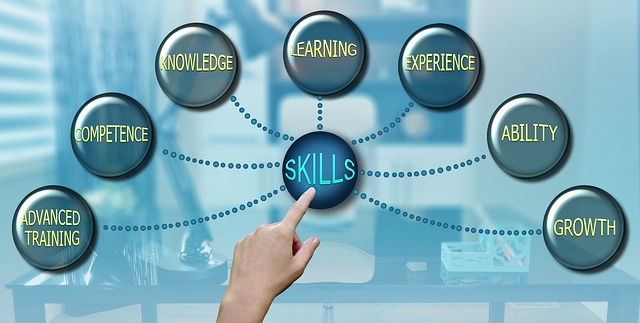
Internal mobility refers to the movement of employees into new roles, projects, or functions within the same organization. When it works well, it supports continuity, reduces reliance on external hiring, and helps organizations fill capability gaps as priorities shift. Research consistently shows that people who move internally tend to stay longer and perform better than external hires, preserving institutional knowledge while reducing recruitment and onboarding costs. For example, research cited by Deloitte shows that internal hires are more likely to succeed and remain longer in role than external candidates.
So why does only 6 percent of organizations rated themselves as “excellent” at moving people from role to role, while most describe their internal mobility capabilities as only fair or inadequate? According to Deloitte’s Global Human Capital Trends research, this gap between intent and execution points to structural friction, not a lack of interest in mobility. Skills-based frameworks help reduce that friction by clarifying what roles actually require and how people can prepare for them over time.
Why skills matter for mobility
A growing body of research points to skills-based organizations as better positioned to enable internal movement. Deloitte’s work on skills-based talent models highlights that organizations shifting from job-centric to skills-centric systems are more effective at placing people where they can succeed and adapting to change. By focusing on capabilities rather than static role requirements, these organizations are better able to identify adjacent skills and potential—not just exact matches.
This matters because many internal roles are still posted and filled using criteria that mirror external hiring: years of experience in a specific role, linear career paths, or prior exposure to identical responsibilities. These filters can inadvertently narrow opportunities, even when capable internal talent exists. Skills-based approaches expand the field by making transferable capabilities visible and actionable.
Mobility is not just about matching
When internal mobility stalls, it is often attributed to individual readiness, ambition, or the need for an outside perspective. In practice, as with most employee management strategies, mobility outcomes reflect system design. Organizations often lack a shared skills language, integrated talent data, or clear pathways that signal how people can move laterally or diagonally. As a result, movement depends heavily on manager discretion, informal networks or visibility—factors that rarely operate evenly across a workforce.
Skills-based internal mobility will be more successful with training and upskilling built into the system. Without structured learning pathways, mobility often remains theoretical versus attainable. Research from the OECD emphasizes that continuous skill development across the working life is essential for productivity, employability and workforce participation as roles evolve. Organizations that enable mobility effectively tend to pair skills frameworks with targeted learning—short courses, role-embedded training, project assignments, and mutual mentoring—so people can prepare for lateral or diagonal moves when the opportunity arises, without stepping off the career path.
An age-neutral advantage
Skills-based internal mobility is inherently age-neutral. It does not rely on assumptions about career stage, tenure or pace of advancement. Instead, it recognizes that capability develops continuously and that people may seek different kinds of movement at different points in their working lives. By decoupling opportunity from linear progression, skills-based systems support longer, more dynamic careers while strengthening organizational agility.
At Age Equity Alliance, we view skills-based internal mobility as a signal of talent sustainability. When opportunities are designed to move with people as work evolves, organizations are better positioned to retain experience, redeploy capability, and reduce avoidable turnover. When mobility depends on opaque criteria or informal sponsorship, risk accumulates quietly—often surfacing later as attrition, stalled pipelines or unmet skill needs.
What leaders should examine now
Leaders looking to strengthen internal mobility should start by examining how it is defined, communicated, and linked to opportunity–even if it requires some training or reskilling.
Questions worth asking include: Are internal roles framed in terms of capabilities or credentials? Do employees understand how to move laterally or build toward adjacent roles? Are mobility systems experienced as credible and accessible across functions and career stages?
Skills-based internal mobility is not a standalone program. It is a structural choice about how opportunity is surfaced and how talent is sustained over time. Organizations that get it right are not just improving movement—they are building resilience into their workforce systems.
Age Equity Alliance is a US-based nonprofit working globally to build best-in-class workplaces for people at every stage of life. AEA focuses on age-neutral practices, talent sustainability, and the systems that shape access to opportunity over longer working lives. Contact us for more information.
Related analysis by the author appears regularly in Forbes.
This article draws in part on analysis previously published by the author in Forbes (November 2025):
“In 2026, Age Bias Will Become Impossible For Employers To Ignore.”

Leave a Reply